
A cold-weather pet move has two small but important outdoor moments: leaving one home and entering the next. Even when most of the journey takes place inside a vehicle, an icy step, a locked lobby, or a long wait at the curb can complicate the handoff.
Preparing those few yards between the door and the vehicle gives your family and trip coordinator a clearer plan. Here is how to get both ends of the trip ready without turning pickup day into a last-minute scramble.
1. Walk the actual route from door to vehicle
Before travel day, look at the path someone will use while holding a leash or carrying a secured pet carrier. Check steps, uneven paving, sloped driveways, gates, and the place where the transport vehicle can safely stop. A route that works when your hands are free may be awkward with an animal and travel supplies.
Arrange for snow and ice to be cleared before the expected handoff window. Keep bags and moving boxes out of the walkway, turn on exterior lights, and make sure the person receiving your pet can unlock the correct entrance. For an apartment, ask building management about a safe loading area and any winter access restrictions. Tell your coordinator about problems before the driver arrives rather than assuming the vehicle can reach your door.
2. Keep the waiting area indoors
Have your pet, belongings, and paperwork ready inside. Agree on how you will receive the arrival update, then complete the handoff with the driver when the vehicle and route are ready. Avoid waiting outside just because an estimated arrival time is approaching.
At the destination, set aside an indoor space before your pet arrives. If the new home is still locked, unheated, or occupied by a moving crew with doors open, resolve that issue with the receiving adult in advance. A covered porch or parked car should not be the default waiting room. Give your coordinator a reachable backup contact if access changes.
3. Plan for your pet's individual cold tolerance
A winter plan should fit the animal making the trip. Cornell University's College of Veterinary Medicine explains that a dog's cold tolerance varies with age, size, health, coat, and other factors. Dogs arriving from a warmer climate may also be less prepared for cold conditions. Read Cornell's winter safety guidance and ask your veterinarian about concerns specific to your pet.
Tell the coordinator about difficulty using steps, reluctance to walk on slippery surfaces, or equipment your pet already uses comfortably. If your veterinarian recommends a coat or other protection, check its fit before departure and discuss how it will be handled during transfers. For cats, birds, rabbits, and other animals, ask for species-appropriate veterinary advice rather than applying a dog's clothing or outdoor routine to every pet.
4. Make paw care and dry supplies easy to find
Keep a clean towel where it can be reached during the handoff, not buried under luggage. Discuss any familiar paw-care routine and pack agreed supplies together with clear labels. Let the receiving person know where the towel and replacement bedding are so damp items can be dealt with promptly.
Humane World for Animals notes that rock salt and other ice-melting chemicals can irritate pets' paws and recommends wiping paws with a damp towel before licking. Its cold-weather pet guidance also warns about antifreeze. Keep pets away from spills and chemical storage areas along the transfer route. Ask your veterinarian about suitable products rather than adding unfamiliar treatments on travel day.
5. Separate a prepared doorstep from a safe travel decision
A cleared path helps with the handoff, but it does not establish that the entire route is safe. The National Weather Service advises checking road conditions before a longer winter trip. Use its winter preparation guidance alongside current local alerts, and keep your coordinator informed about conditions at both addresses.
Discuss what happens if pickup or delivery timing changes: who can remain with the pet, who can reopen the destination, and when the next update will come. Our weather-delay planning guide covers that wider backup plan. No service choice removes the need for safe weather decisions.
6. Choose the service, then confirm the handoff details
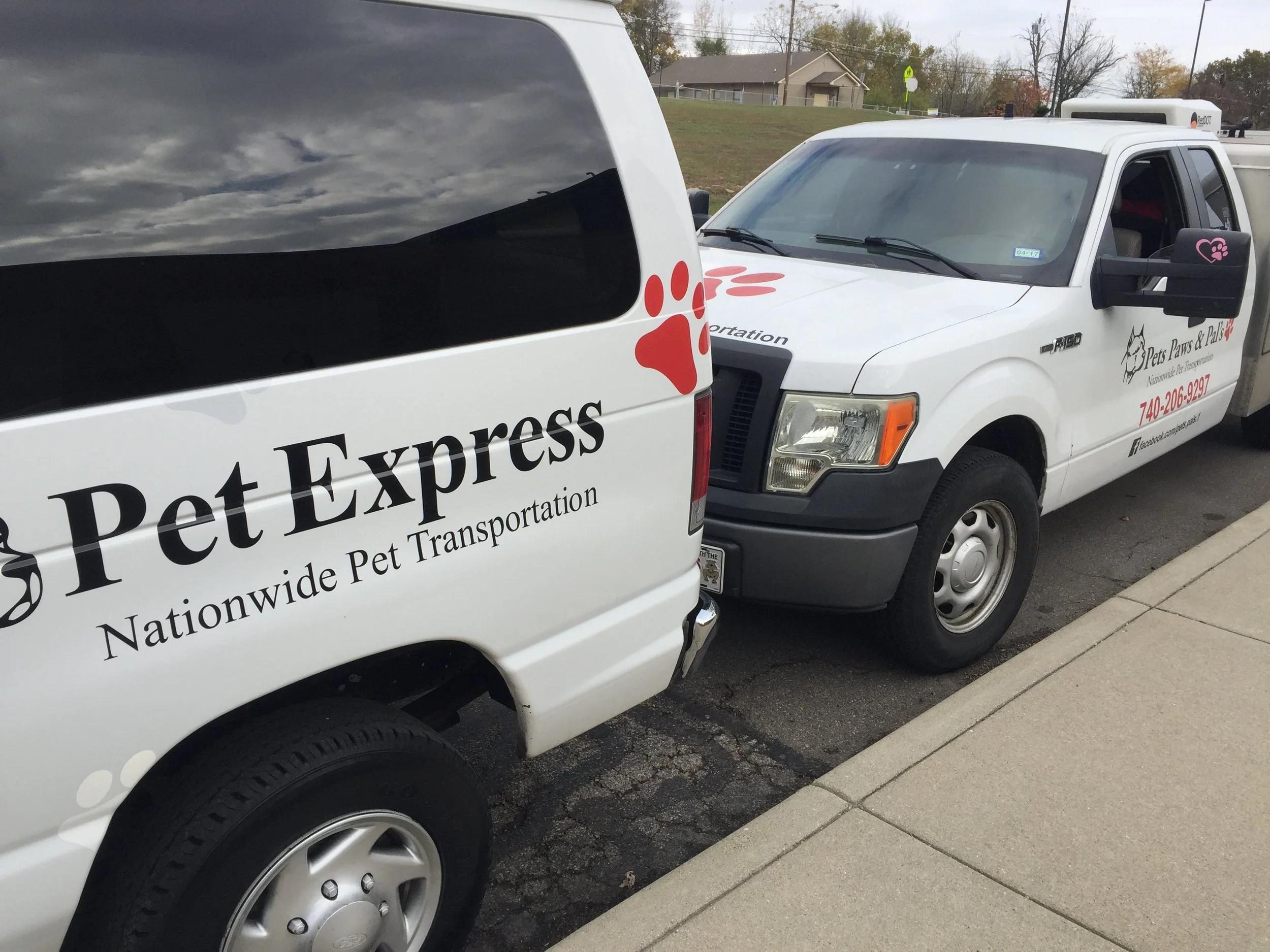
Pet Express is private transport centered on one family's pets, with an itinerary tailored to the trip. Owner Ride-Along is an option for people who want to travel with their pets. Discuss your animal's needs, passenger requirements, dates, and access details with a trip coordinator before deciding which service fits.
For longer journeys, confirm the overnight arrangements that apply to your pets and travel party. Hotel plans depend on the animals' needs and number as well as the property's rules. Starting early gives you more time to work through these details and consider date options; it does not guarantee a particular travel date or weather outcome.
Before pickup, ask both households one final question: can the pet move from a ready indoor space to the vehicle, and from the vehicle into a ready indoor space, without avoidable waiting? That simple check keeps the focus where it belongs: on a thoughtful journey for a member of your family.