
If your dog is deaf or hard of hearing, you may already have a familiar way to say “come with me,” “wait,” or “good job” without relying on your voice. Those small details belong in the travel plan when someone else will be caring for your dog during a move.
Ground transport preparation should explain how your individual dog receives information. A note saying “deaf” is useful, but a short description of the signals, routines, and handling arrangements they already know gives the coordinator and driver much more to work with.
1. Explain what your dog responds to
Tell your coordinator whether your dog has complete or partial hearing loss, how long it has been part of their life, and which communication methods you use at home. Separate a veterinary diagnosis from your own observations. If hearing seems to have changed recently, ask your veterinarian about it before the journey rather than testing new assumptions at pickup.
Describe any other needs separately. Reduced vision, difficulty climbing steps, or sensitivity around the ears can affect the practical handoff. Do not assume that a hearing-loss label tells the team everything about your dog’s health, mobility, or temperament.
Our transport process page explains how a coordination specialist helps finalize trip details. Raise these needs during that conversation so the team can discuss suitable arrangements before a date is settled.
2. Make a short guide to familiar signals
Choose the few cues that matter most for ordinary care: getting your dog’s attention, walking together, waiting, entering their travel space, and recognizing praise. Include only signals your dog already understands. A long list of commands they are still learning can give a caregiver the wrong impression.
For each cue, write its meaning and show the movement clearly. If the coordinator can receive it, a brief video may explain a hand gesture better than a paragraph. Keep written notes available too, so the essential instructions do not depend on opening a video at the roadside.
Battersea’s deaf-dog guidance emphasizes clear, consistent hand signals and taking care not to startle a dog who cannot hear someone approaching. For travel preparation, the practical aim is to share your established approach with the caregiver, rather than introduce a new set of signals just before departure.
3. Describe approaches and touch honestly
Explain how you normally make your dog aware of you before attaching a leash or touching them. Mention what happens if they are asleep, looking away, or distracted. If an unexpected approach has led to freezing, snapping, or attempts to flee, tell the coordinator in advance and describe the circumstances.
Ask how these instructions will reach everyone who may handle your dog. A familiar family member should be available at pickup to explain the routine without crowding the dog or repeatedly testing their reactions.
If the usual method depends on your dog seeing a gesture, discuss lighting and sight lines at the handoff. If your dog also has significant vision loss, seek individualized guidance from your veterinarian or a qualified behavior professional. Generic hand-signal advice may not fit their needs.
4. Plan the leash handoff before opening doors
VCA Animal Hospitals notes that a deaf dog cannot hear traffic warnings or a spoken recall. Keep your dog securely leashed near roads and in other unenclosed areas; a familiar signal does not replace physical security.
Agree on who holds the leash, who manages doors or gates, and where the transfer will happen. Keep that conversation separate from carrying bags and greeting other people. Tell the team about any history of backing out of a harness or slipping a collar, and confirm the equipment plan before pickup.
Ask how the same precautions will be maintained during travel stops. Do not assume that a roadside area is enclosed or that your dog will respond to a familiar cue in an unfamiliar setting.
5. Match the service to the whole care plan
Hearing loss alone does not describe how a dog feels about vehicles, unfamiliar people, or other animals. Share their actual travel experience and any difficulties, including whether they have previously traveled without you.
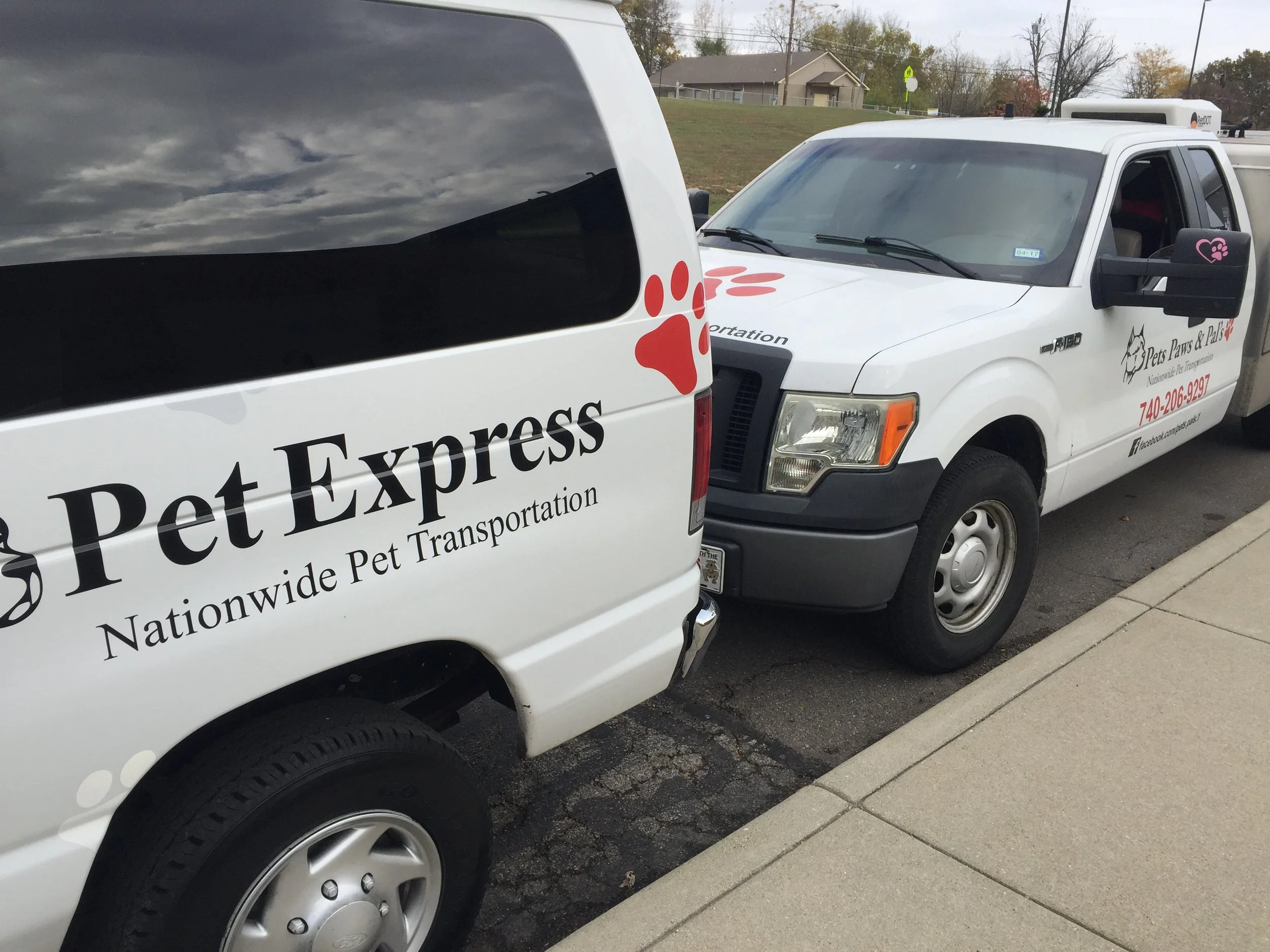
Our pet transport services include private Pet Express, shared Shuttle Service, and Owner Ride-Along. Discuss which option can accommodate the agreed handling and communication plan. Do not assume a service is appropriate solely because it is private or because you can accompany your pet.
6. Send the same instructions to the receiving home
Give the receiving adult the same signal guide before arrival, especially if your dog is joining a new household. Confirm that they understand the approach routine and will be ready to manage the leash, doors, and other animals during delivery.
Keep one current version of the instructions, with a reachable family contact for questions. If anything changes before departure, update both the coordinator and the receiving adult. The goal is for your dog’s familiar communication to travel with them, from the first handoff to the next home.