
A dog who knows every doorway at home may need more guidance when the surroundings change. For a blind or low-vision dog, a ground transport journey introduces unfamiliar entrances, surfaces, and people before the new home even comes into view. Planning around those transitions is more useful than treating “blind” as a complete set of care instructions.
The goal is to explain how your particular dog gets around, agree on what support is possible during transport, and prepare a destination that does not keep changing under their feet. Here are six details worth working through before moving day.
1. Separate established vision loss from a new health concern
If your dog has recently started bumping into objects, hesitating in familiar places, or showing eye changes, speak with your veterinarian rather than assuming this is simply part of aging. PDSA's veterinary guidance on blindness recommends contacting a vet as soon as changes appear; some underlying eye problems can be painful and benefit from early attention.
For a dog with an established diagnosis, ask your vet about the planned journey, any handling restrictions, and what changes should prompt a call. Share relevant instructions with the coordinator before arrangements are finalized. A transport booking is not a substitute for deciding whether your dog is medically ready to travel.
2. Describe navigation, not just the diagnosis
Build a short description of everyday movement. Does your dog manage familiar steps but pause at a new threshold? Is dim lighting harder than daylight? Do they follow your voice, walk comfortably beside you, or need help locating a doorway? Record observations rather than estimating what percentage of vision remains.
Include other needs that affect the same task, such as limited mobility or hearing loss. Note whether your dog tolerates being lifted and describe any veterinarian-approved assistance they already use. These details create specific questions for the transport team: how will loading be handled, what equipment will be used, and which parts of the requested routine can be accommodated?
3. Keep familiar verbal cues consistent
The American College of Veterinary Ophthalmologists' advice for living with a blind pet recommends announcing your approach in a normal voice and using verbal cues to help with unfamiliar surroundings. This does not mean speaking louder or assuming a dog understands a new word immediately.
Write down the exact words your dog already knows and what each one means. If “step” means an upward step at home, say so; do not leave another person to guess whether it means stop, climb, or move forward. Explain how you normally announce that you are nearby before touching or attaching equipment. Share only practiced cues, and keep any new training separate from the pressure of pickup day.
4. Agree on the transitions along the route
Ask the coordinator to discuss the points where your dog moves between spaces: leaving home, entering the vehicle, taking bathroom breaks, and reaching the receiving person. Mention any difficulty with unfamiliar surfaces or sudden changes in level. Confirm a secure handling plan rather than relying on the dog to follow a voice through an open doorway or busy parking area.
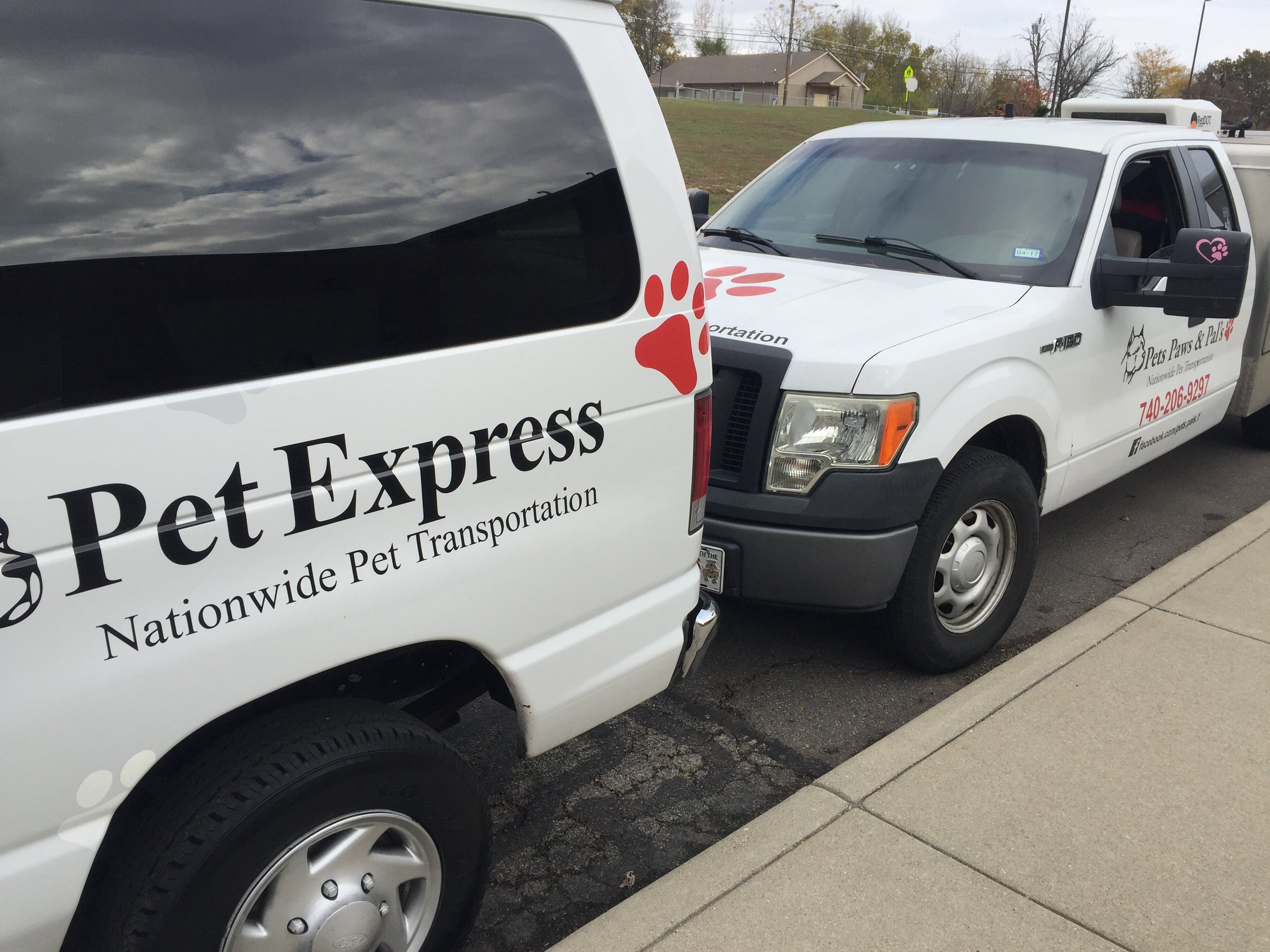
Review the available pet transport services with these needs in mind. Do not assume that a service name automatically includes a particular mobility aid, handling technique, or specialist medical support. Write down what has actually been agreed, including whom to contact if your dog's needs change before departure.
5. Prepare a stable indoor starting point
Choose the first room before delivery, not while the driver is arriving. Clear the walking route, secure access to stairs, and address sharp corners or other collision hazards. Battersea's blind-dog care guidance emphasizes a predictable home layout, consistent food and water locations, and a comfortable retreat with familiar bedding.
Place those essentials where they can stay while your dog learns the room. Ask movers and family members not to leave boxes or bags in that route. Introduce the space gently under supervision rather than expecting an immediate tour of the entire house. If you use a familiar mat as a landmark, keep its position consistent and do not treat it as a barrier to a hazard.
6. Give the receiving person the same plan
The person welcoming your dog should have the navigation notes, familiar cue words, veterinary instructions, and contact details before delivery. Our transport process page explains coordination and preparation; use that conversation to clarify receiving arrangements and any questions specific to your dog.
At arrival, compare how the journey went with your dog's usual behavior and pass along anything that needs follow-up. Keep the first indoor setup predictable while the household settles. A useful plan does not promise instant confidence. It gives everyone the same practical instructions and your dog time to learn what has changed.