
A long-distance move raises a practical question for cat owners: how will the litter box work on the road? A tray in a supply bag is only part of the answer. Before pickup, discuss where your cat can toilet safely, which supplies fit the transport setup, and how information will reach the person receiving them. A little preparation keeps this everyday need from becoming a last-minute problem.
Describe the routine your cat already knows
Start with a short description of your cat's usual litter-box habits. Include the litter type, whether the box is covered or open, and any difficulty stepping over high sides. Mention recent accidents or changes to your veterinarian before travel rather than assuming they are caused by the move.
Useful details are specific: “Uses an open, low-entry tray with unscented clumping litter” tells a coordinator more than “Very particular about the bathroom.” A photo of the usual setup can also help explain what you mean.
If your cat has a history of urinary problems, constipation, or another condition affecting toileting, ask your veterinarian what the travel team should watch for. Share the resulting instructions before the journey so the coordinator can confirm whether the requested care can be accommodated.
Agree on safe access before choosing equipment
Ask how litter access will work in the actual vehicle. Will an appropriate enclosure accommodate a tray, or will access require a planned stop in a secure setting? Who supplies the tray, and what dimensions are suitable? Do not assume that an extra-large box, expandable carrier, or particular arrangement will fit simply because it works in your own car.
Cats Protection's travel guidance recommends keeping cats in their carriers while driving and taking familiar litter, a tray, waste bags, and cleanup supplies on longer journeys. Any handling outside the travel enclosure needs an escape-prevention plan. Never open a carrier outdoors at a rest stop to offer the litter box.
Confirm how the plan covers overnight stops and unexpected delays, too. “There will be breaks” leaves important questions unanswered. Ask when the cat will be checked, how supplies will be accessed, and what happens if a liner needs changing while the cat remains safely contained.
Keep the litter familiar and the kit manageable
Moving week is a poor time to introduce several unfamiliar bathroom choices at once. The RSPCA's litter-tray advice notes that cats can have litter preferences, need room to turn comfortably, and may avoid strong scents. Tell the coordinator what your cat currently accepts before buying travel supplies.
Once the equipment is agreed, group the toileting items in one clearly labeled bag:
The agreed tray and a sealed supply of the usual litter.
A scoop and suitable bags for waste disposal.
Spare absorbent liners and bedding approved for the travel enclosure.
Cleanup supplies agreed with the coordinator.
A brief note identifying the cat and any relevant care instructions.
Ask how much to provide for the expected journey and a reasonable delay. Keep clean supplies separate from used items. For several cats, label any different litter requirements individually rather than leaving the driver to work out which bag belongs to whom.
Decide what observations should be passed along
Ask the pickup person to mention the last time they actually observed your cat urinating or passing stool. If they do not know, say so. A guess becomes less useful when it is repeated as a fact at the next handoff.
Discuss how notable changes will be communicated during travel. The person receiving your cat should know about observed litter use, accidents, and any concerns raised along the way. If you will be unavailable, identify another contact who knows the agreed care plan.
Straining to urinate while producing little or no urine needs immediate veterinary attention. Cornell's Feline Health Center explains that a urinary blockage is a medical emergency. Do not assume repeated unsuccessful attempts are ordinary travel stress or wait until delivery to seek help. If you are uncertain whether your cat is urinating normally, contact a veterinarian for guidance. There is no useful universal “safe holding time” to build a transport plan around.
Have the next litter box ready
Set up a clean tray in the receiving home's quiet, secure room before your cat arrives. Keep it accessible while luggage and pet supplies are unloaded. The RSPCA recommends privacy and advises against disturbing cats while they toilet, so give your cat space rather than repeatedly placing them in the box.
Review our transport process and preparation guidance, then discuss the toileting plan with your trip coordinator. If you are still comparing options, explore Pets Paws & Pals transport services. The goal is a practical arrangement everyone understands, from the familiar tray at home to the first quiet evening after arrival.
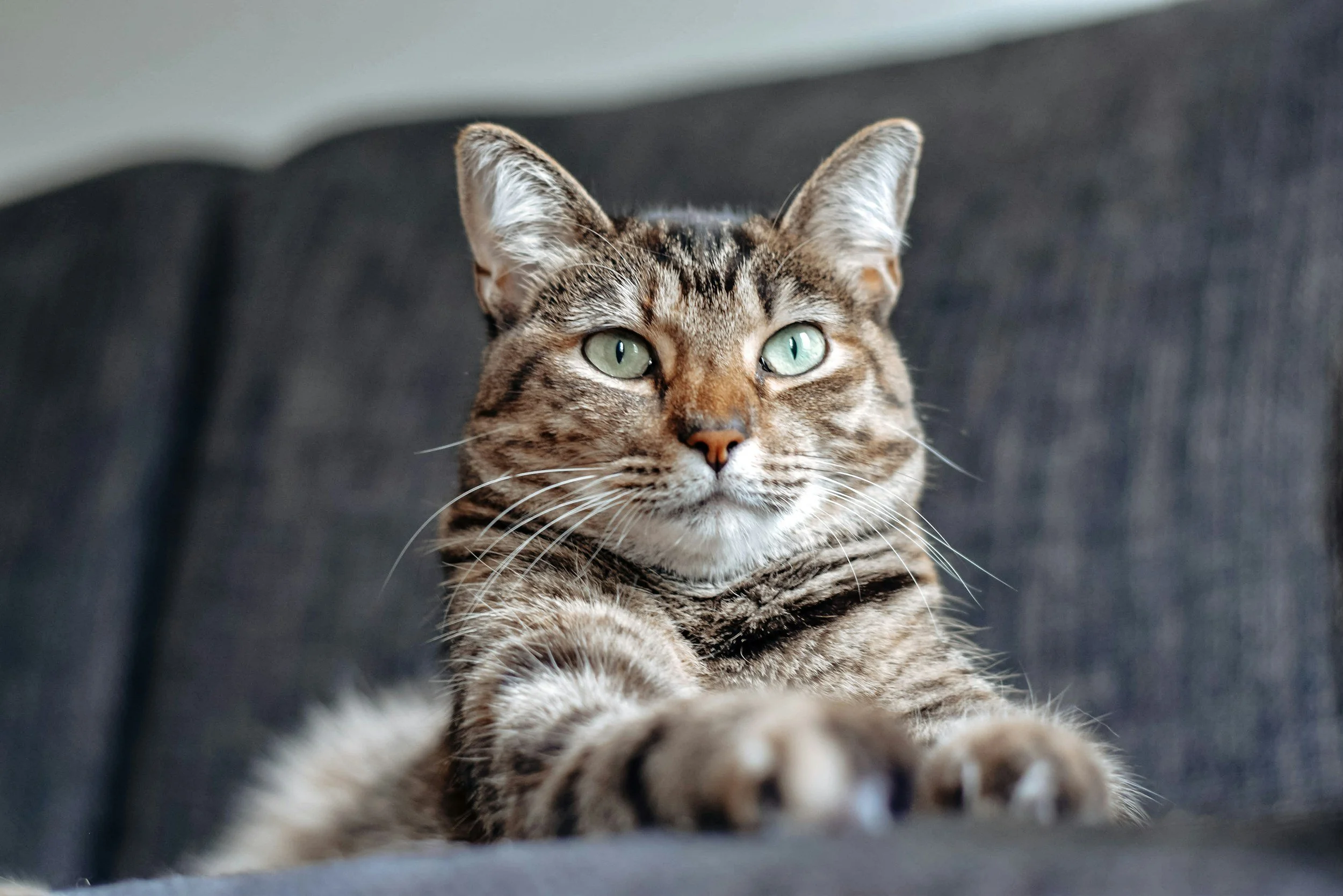
Illustrative stock photo by Alice on Unsplash.