
A cross-country pet trip can cover hundreds of highway miles, yet the last turn into your property may need the most specific directions. A rural home, farm, or house on a private road can be easy for family to find and surprisingly confusing to someone arriving for the first time.
Preparing those details is a practical way to care for your pet before the journey begins. Your trip coordinator does not need a complicated property survey. A short, accurate access note and a reachable person can make the handoff much easier to organize.
Describe the entrance, not just the address
Start with the complete street address and confirm which entrance should be used. If your property has a service entrance, a shared driveway, or a gate on a different road, explain that distinction. A map pin can be helpful, but it should supplement the written address rather than replace it.
Use lasting landmarks: a marked road junction, a clearly numbered gate, or the side of the road where the entrance sits. Avoid instructions that depend on a parked vehicle or a temporary decoration. Tell your coordinator if navigation apps commonly send visitors to the wrong side of the property.
Give the driver a realistic picture of access
Before pickup, describe the driveway surface, narrow stretches, steep sections, low branches, and available turning space. If there is a bridge, posted restriction, or entrance that certain vehicles cannot use, mention it early. Do not assume a transport vehicle can enter simply because your own car does.
The transport team should assess the approach for the vehicle assigned to your trip. If access is unsuitable, discuss an alternative handoff location in advance. Choose it together; do not plan an impromptu roadside transfer or expect the driver to improvise at a difficult entrance.
Make a gate and phone-service plan
Confirm who will open the gate and when that person will be available. Share access instructions privately with the coordination team, not in a public review or social-media comment. If a gate code changes, update the team through the agreed communication channel.
Limited cellular coverage needs its own plan. Identify a number that works at the house, an alternate contact, or a point before the property where a call is usually possible. Agree on what happens if a call or text does not get through. A missed message should not leave either side guessing whether pickup has moved to another entrance.
Separate the pet handoff from property traffic
Think about what else will be happening when the transport arrives: deliveries, contractors, household movers, or other vehicles using the same drive. Identify where the receiving driver should park and where you will meet. Keep the pet’s travel supplies and written instructions ready so the person handling the handoff is not searching through moving boxes.
Pet transport complements your household move; it is a separate service with its own access and care arrangements. Your movers or real-estate professional may help clarify possession and access times, but pet pickup still needs a named person responsible for the handoff.
Match the access plan to your service
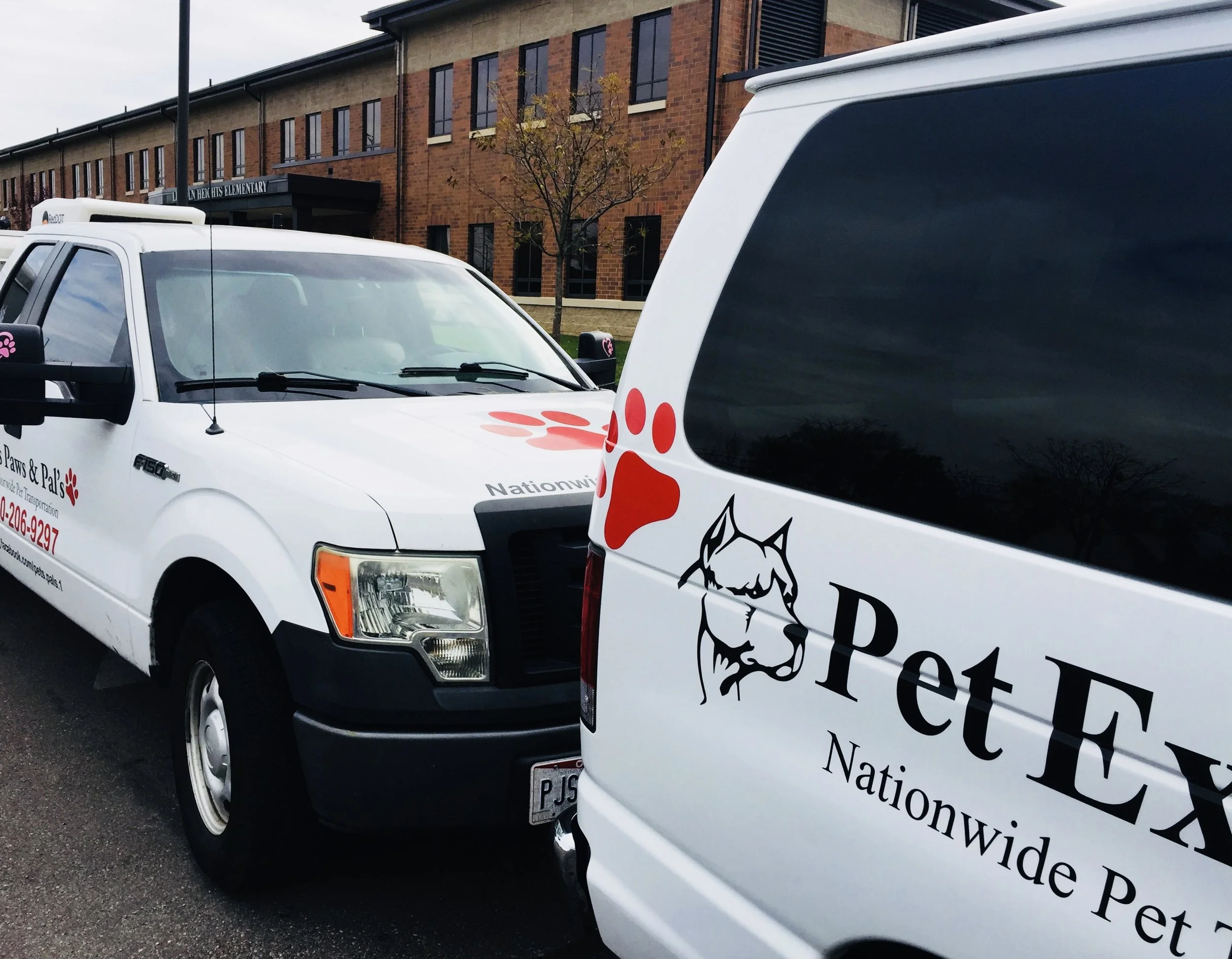
Pet Express centers one family’s pets and allows the itinerary to be discussed around their needs. Shared Shuttle arrangements have different routing considerations. If you plan to travel too, ask about Owner Ride-Along and describe both passenger and pet needs before the journey is arranged.
No service choice makes an unsafe approach suitable. Conditions can change, and safe decisions remain part of every service. Review access again near departure if the driveway or property circumstances have changed.
A short note you can send your coordinator
Use this simple outline: full pickup address; correct entrance and directions; driveway or turning limitations; gate arrangements; primary and backup contacts; phone-service limitations; and the agreed place for the pet handoff. Add the same details for delivery if the destination is also rural.
Returning clients should refresh this note for each trip, even at a familiar address. Early planning gives you more time to resolve access questions and consider date options without turning a preference into a guaranteed booking. For the rest of your handoff, use our guide to preparing travel equipment, or speak with your coordinator about the person who will meet the driver.